
Kawasaki Disease
Kawasaki disease (KD) is named after the Japanese pediatrician Tomisaku Kawasaki who in 1967 described 50 cases of infants with persistent fever, accompanied by rash, lymphadenopathy, edema, conjunctival injection, redness and cracking of the lips, "strawberry tongue," and convalescent desquamation. Today KD is understood as a rash/fever illness of early childhood in which coronary artery aneurysms (CAA), sometimes fatal, may develop in up to 25 percent of untreated children.
The incidence is highest in Japan with an annual rate of 370/100,000 children under 5 years of age, and it has been increasing over time. In comparison, incidence for the continental U.S. varies between 20-25/100,000 children under 5 years of age and for Japanese Americans living in Hawaii between 120-130/100,000 in children under 5 years of age. Because its etiologic agent(s) and patho-physiological mechanisms remain unknown, and because there is no diagnostic laboratory test for KD, diagnosis relies on the observation and recognition of clinical signs that comprise the KD case definition. With the establishment of intravenous immunoglobulin (IVIG) as an effective therapy, prompt diagnosis has become essential for timely treatment to ensure a good cardiac outcome.

Figure. Time Series of KD Incidence Rate by Age Group in Japan
DeHaan LL, Copeland CD, Burney JA, et al. Age-dependent variations in Kawasaki disease incidence in Japan. JAMA Netw Open. 2024;7(2)


The original Red Cross Hospital and the pediatric ward where Dr. Kawasaki worked in the 1960s.

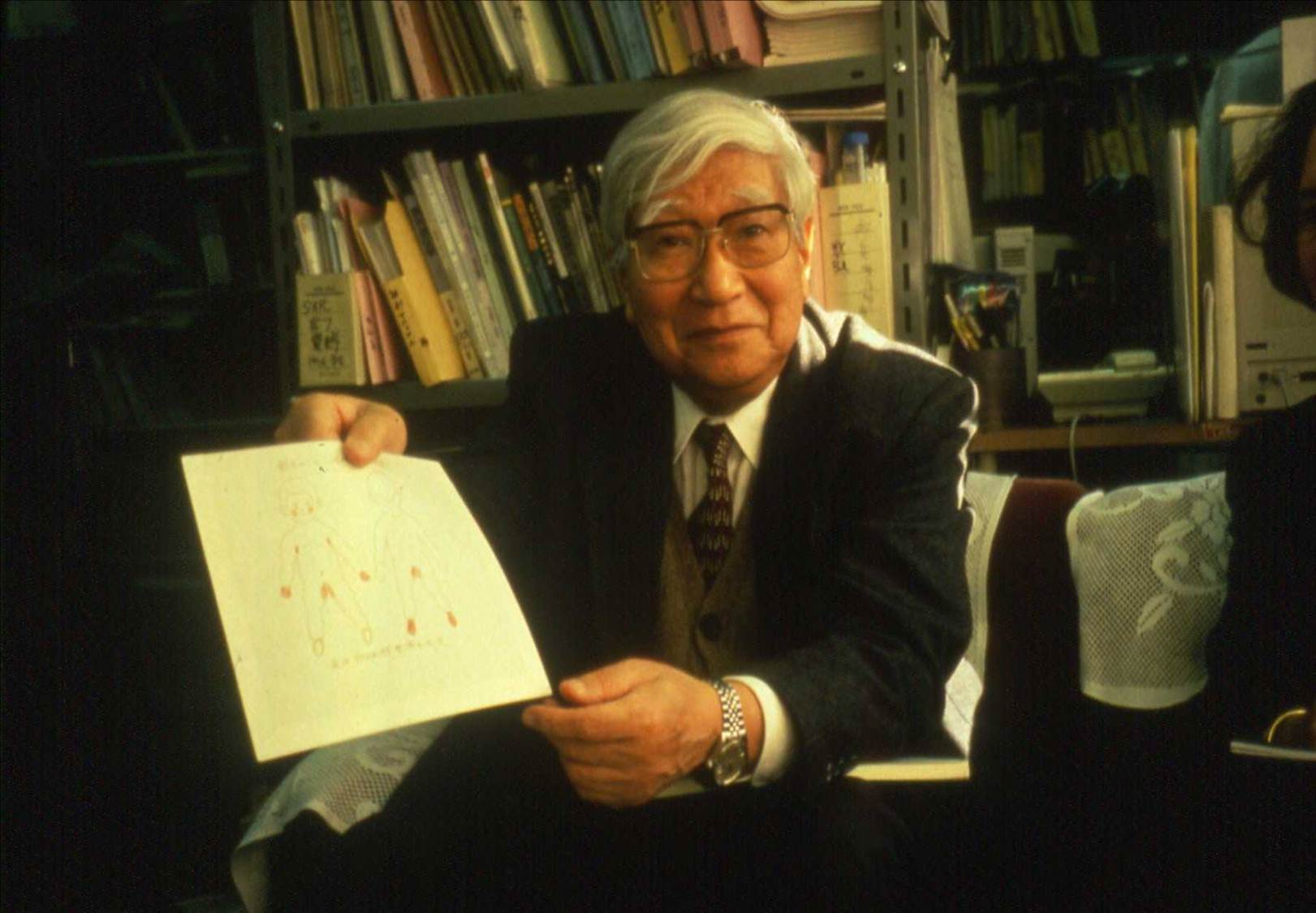
Dr. Burns visited Dr. Kawasaki in his office in Tokyo in 1998.