
-

Dr. Xin Sun is the inaugural Director of the UC San Diego Center for Lung Research and Innovation. She is a leader in lung development, stem cell biology, lung injury repair and lung-brain crosstalk in the emerging discipline of interoception. Working with others at the Center, she leads efforts at NIH LungMAP and HuBMAP consortia to map the human lung at single-cell resolution.
-
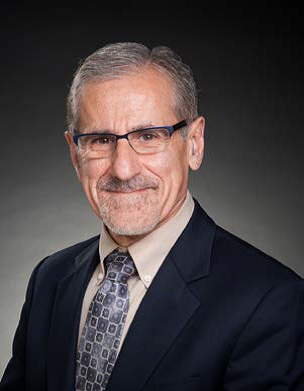
The overall interest of Dr. Haddad's laboratory is in the effect of hypoxia (and hypercapnia) on cell function and development. Mammalian tissues are extremely sensitive to the stress of hypoxia and can only survive for relatively short periods of time. In particular, his laboratory is interested in the mechanisms of tolerance and susceptibility to low oxygen environment. A component of Dr. Haddad's research is in high altitude abnormal erythropoiesis and the role of specific genes (coding and non-coding) in this phenomenon. His lab has also studied an invertebrate model, Drosophila melanogaster, to investigate and better understand how fruit flies survive extreme oxygen conditions.
-

The focus of Dr. Borok’s laboratory is on alveolar epithelial cell biology and plasticity in the context of lung injury repair and fibrosis. Her work has contributed to paradigm shifts in the field based on early demonstrations of plasticity of alveolar epithelial cell phenotypic transitions and epithelial-mesenchymal plasticity, which served as the basis for the now accepted, but initially controversial, notion of a central role of the alveolar epithelium in pulmonary fibrosis. Ongoing work in the laboratory focusses on the role of tight junctions in regulating alveolar epithelial cell plasticity and progenitor function as well as regulation of aberrant cell transitions in idiopathic pulmonary fibrosis.
-
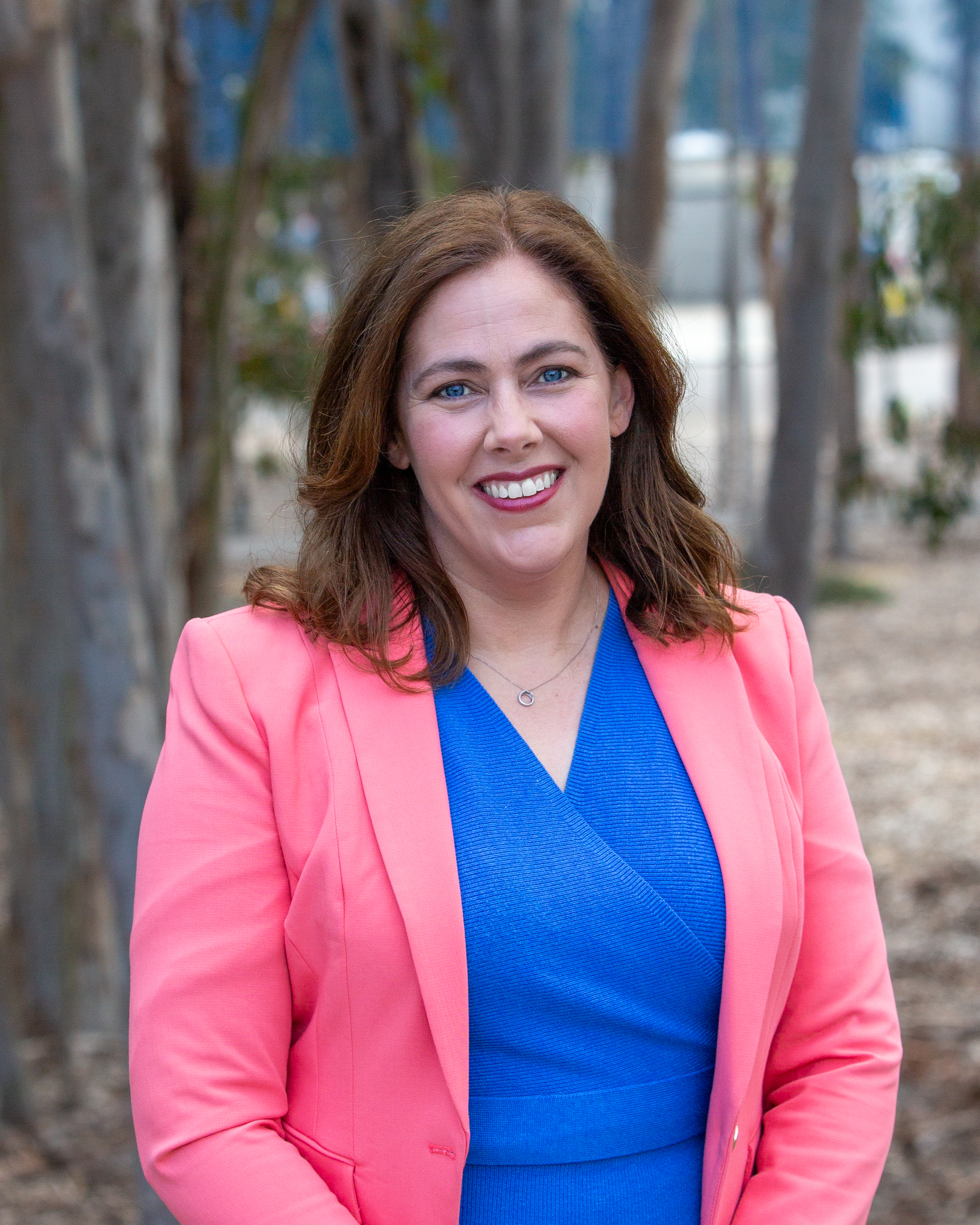
Dr. Crotty Alexander studies the broad inflammatory and immunologic effects of e-cigarettes across the body. Her lab also studies cellular and molecular mechanisms of asthma and of acute lung injury. She and her team leverage animal models, human subjects, and ex vivo and in vitro approaches to define the health effects of e-cigarette vaping.
-

Breen laboratory takes an integrative physiology approach to investigate how oxygen (O₂) is made available to, and utilized by, tissues and cells throughout the body. Research focuses on interactions between the pulmonary system and skeletal muscle, as well as how these processes affect the brain. In the lung, the group has examined several conditions that impair lung function and oxygen delivery, including chronic obstructive pulmonary disease caused by cigarette smoke, pulmonary hypertension, and more recently, COVID-19.
-

The Croker laboratory investigates host-pathogen interactions in coccidioidomycosis. This soil-borne fungal pathogen causes chronic respiratory disease and in severe cases disseminated disease. His team investigates how innate immune cells sense and respond to different stages of the Coccidioides fungal life cycle.
-

Dr. Thu Elizabeth Duong is a pediatric pulmonologist and Assistant Professor whose work bridges patient care and discovery science in human lung biology. By combining advanced bronchoscopy with single-cell and spatial multiomic profiling and computational analysis, her research seeks to uncover the cellular, signaling, and functional units that drive lung development, homeostasis, and pediatric airway and lung parenchymal disease, including bronchopulmonary dysplasia.
-
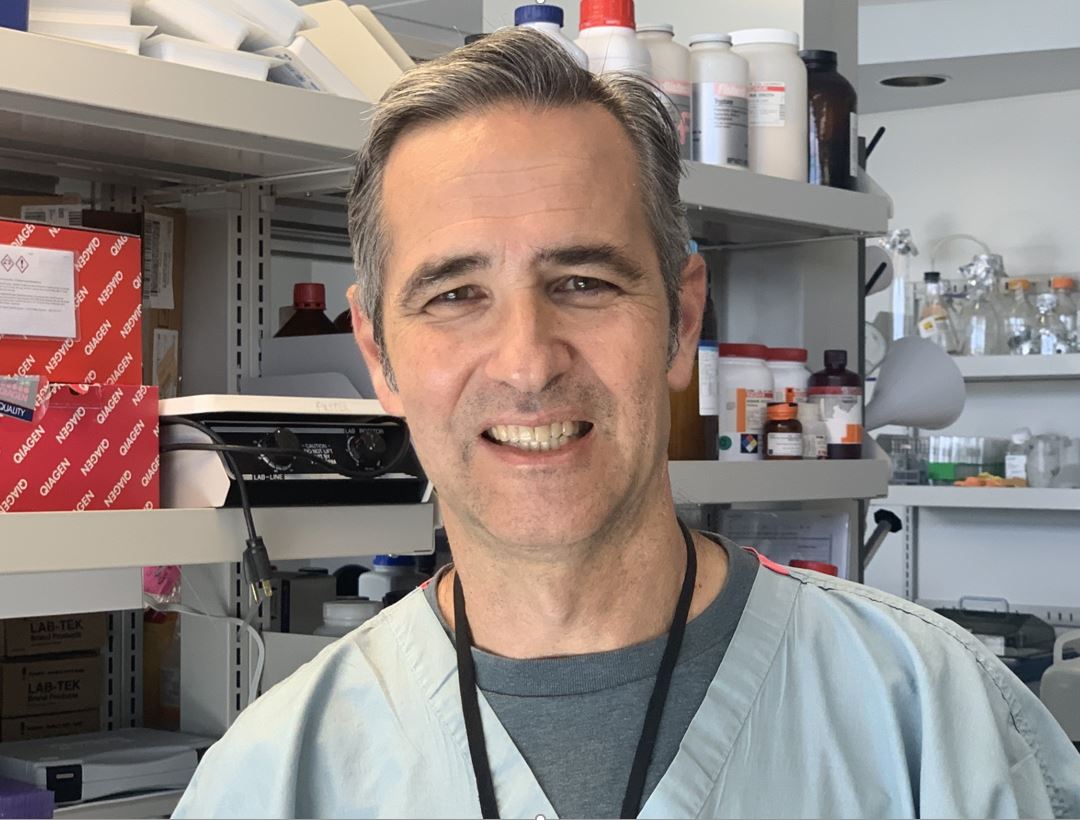
Dr. Fuster’s research is focused on host responses to cancer, with a special focus on how complex carbohydrates (glycans) can be modulated to augment anti-tumor immunity in lung cancer. Biophysics work in his lab is also dedicated to tumor microenvironment dynamics and modulating anti-cancer responses through pulsed magnetic field platforms. Growth is focused on harnessing the physics of electromagnetism to engage immunity and anti-pathogen responses in the lung.
-
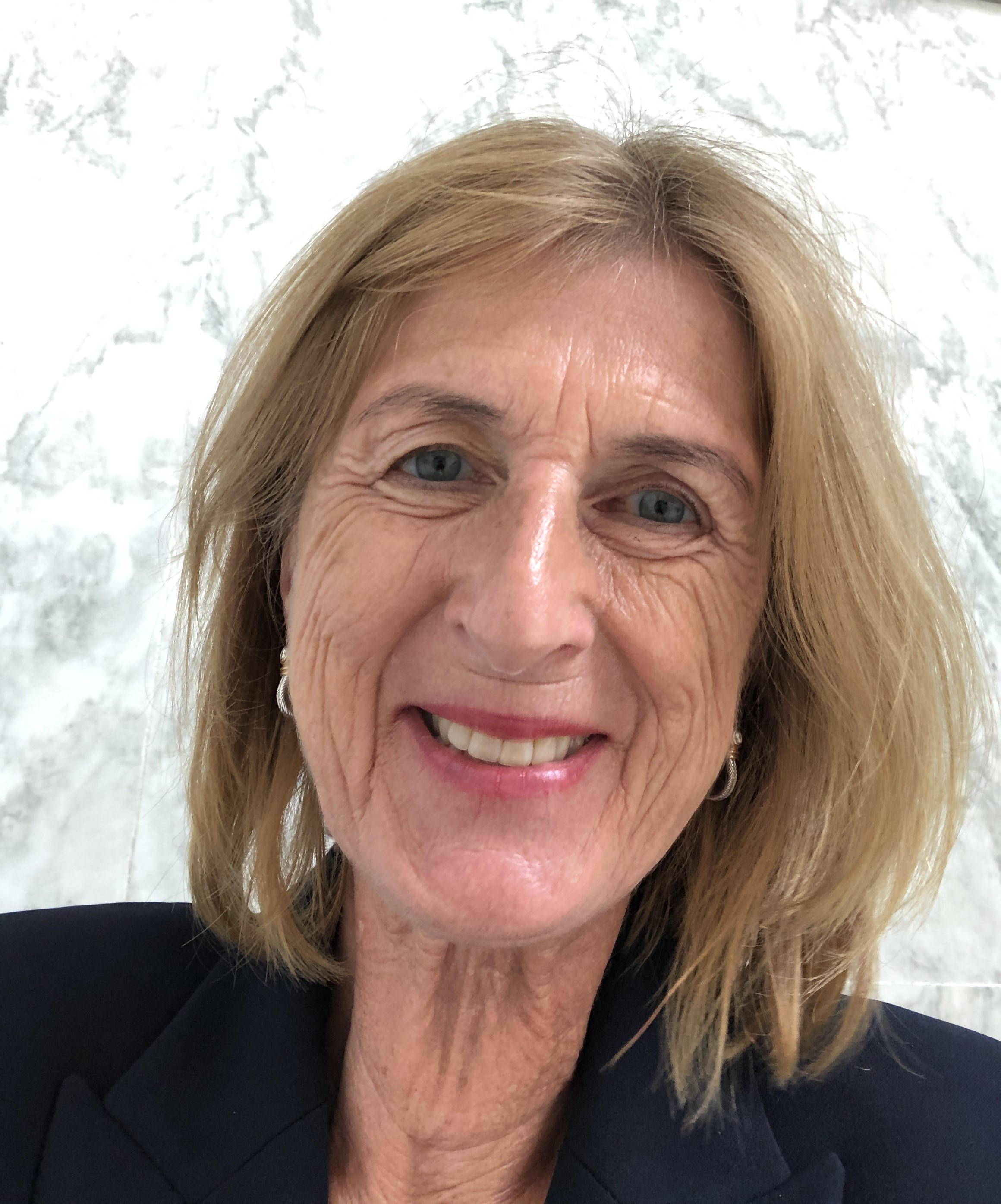
Dr. Illek studies cystic fibrosis, with a primary emphasis on gene therapy and pulmonary delivery of therapeutic payloads using patient-derived airway models and advanced electrophysiology. Her research also examines airway defense mechanisms against bacterial (Pseudomonas aeruginosa) and fungal (Aspergillus fumigatus) infections, highlighting CFTR’s critical role on lung function and prevention of lung disease.
-
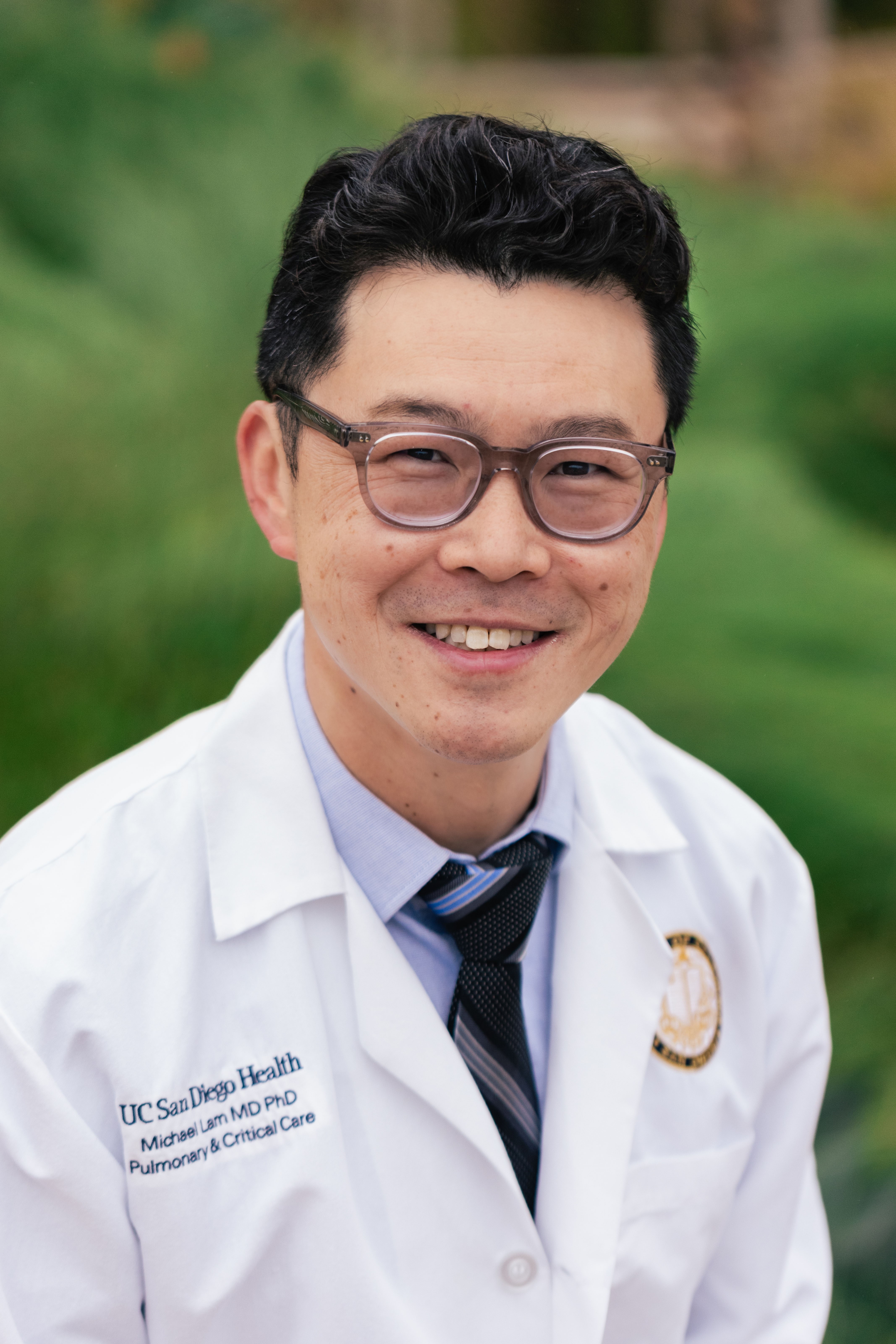
Dr. Lam is a physician-scientist focused on understanding biological heterogeneity in critical illness, including Acute Respiratory Distress Syndrome (ARDS) and sepsis. His laboratory uses genomic approaches to profile dynamic changes in regulatory element activity in patients with sepsis and ARDS, revealing distinct molecular programs among patients who appear clinically similar but experience markedly different outcomes. In parallel, his group uses animal models to investigate how sleep modulates immune responses during sepsis. By integrating human genomics with mechanistic studies, Dr. Lam aims to define biologically meaningful disease endotypes to advance precision medicine and to uncover how behavioral factors, such as sleep, contribute to immune heterogeneity—and how they can be leveraged to promote immune resilience during critical illness.
-
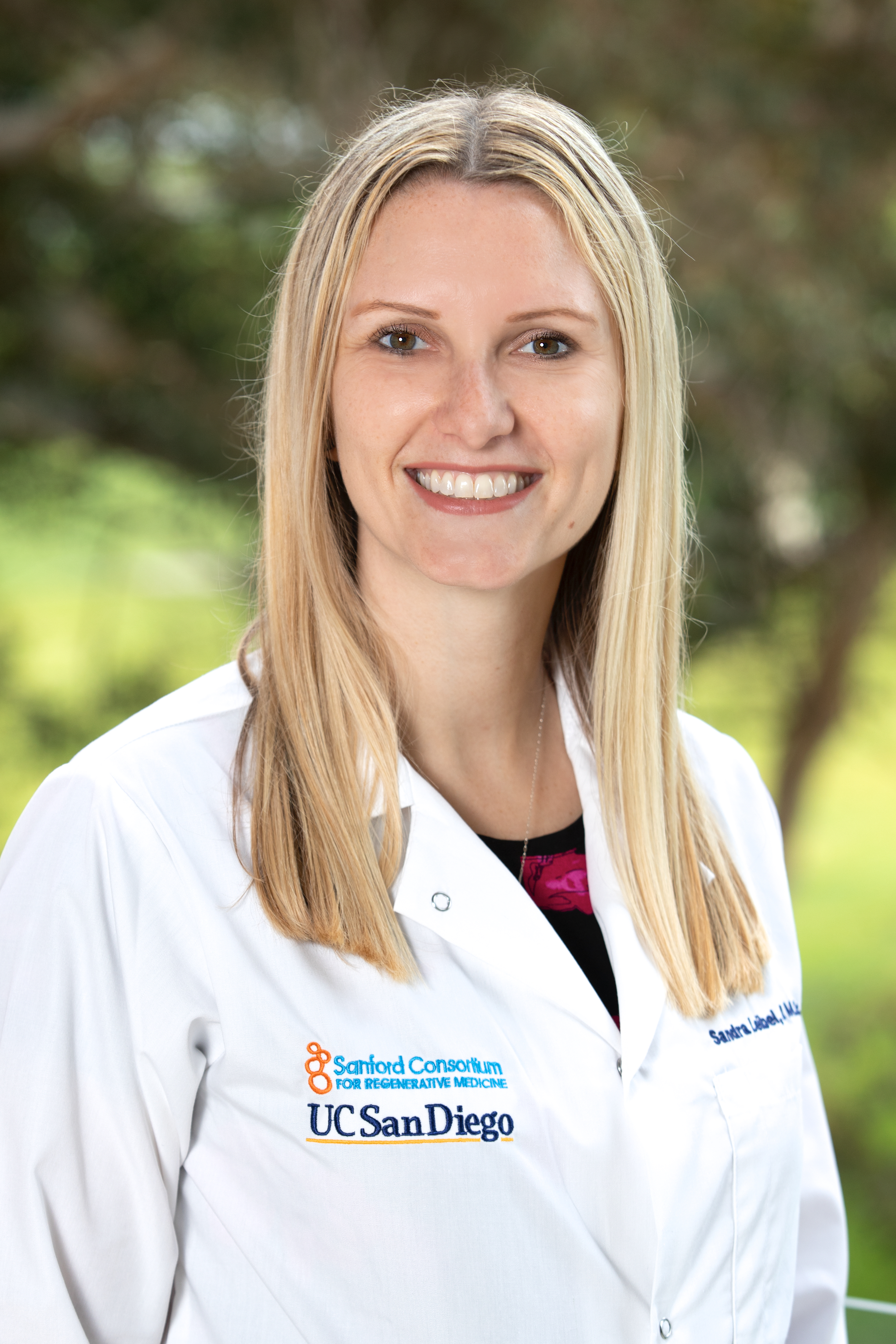
Dr. Sandra Leibel is a physician-scientist and neonatologist whose research focuses on preventing and treating lung disease in extremely preterm infants. In the laboratory, she generates patient-derived lung organoids to study surfactant deficiency and mechanisms of viral-induced lung injury. At the bedside, she applies innovative tools such as electrical impedance tomography to better understand neonatal lung mechanics.
-
Dr. Malhotra is Vice Chair of Medicine for Research and Research Chief of Pulmonary, Critical Care, Sleep Medicine and Physiology at UCSD. He runs a large NIH funded laboratory focused on translational science of respiratory diseases including sleep apnea and lung injury. He is MPI on our T32 training grant with a focus on mentoring of junior scientific talent. He has published over 575 original plus >350 reviews/chapters since 2000. He is active clinically as well in the sleep clinics and in the intensive care units.
-

Dr. Mestan studies the mechanisms of placenta-lung crosstalk and the role of placental dysfunction in the development of neonatal chronic lung disease. Through this bench-to-bedside research, her team seeks to understand the complex interplay between early immune and vascular processes that impact fetal and neonatal lung development, and to identify novel biomarkers that guide neonatal critical care management towards prevention of bronchopulmonary dysplasia and pulmonary vascular disease in early childhood.
-
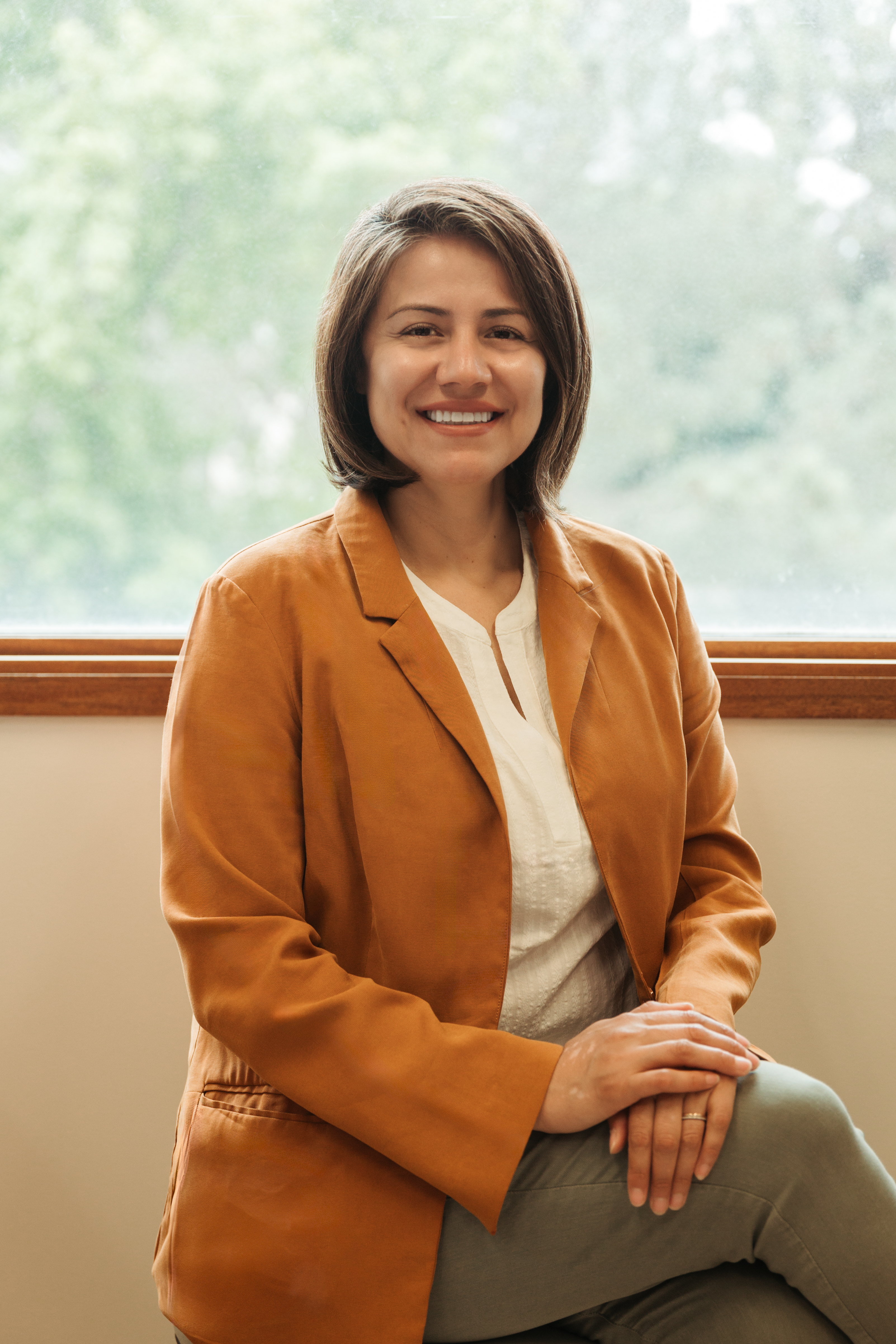
Dr. Reyes is addressing key questions regarding the context-dependent functions of senescent fibroblasts, with research focused on four major areas: (1) fibroblast–immune cell interactions during severe lung injury, (2) senescent cell responses to Influenza A viral infection, (3) the impact of aging on senescent fibroblast function, and (4) identification of secreted proteins produced by p16INK4a-expressing fibroblasts during homeostasis and following injury. Together, this work broadens our understanding of senescent cell biology and provides insight into how fibroblasts contribute to tissue regeneration in both health and disease.
-
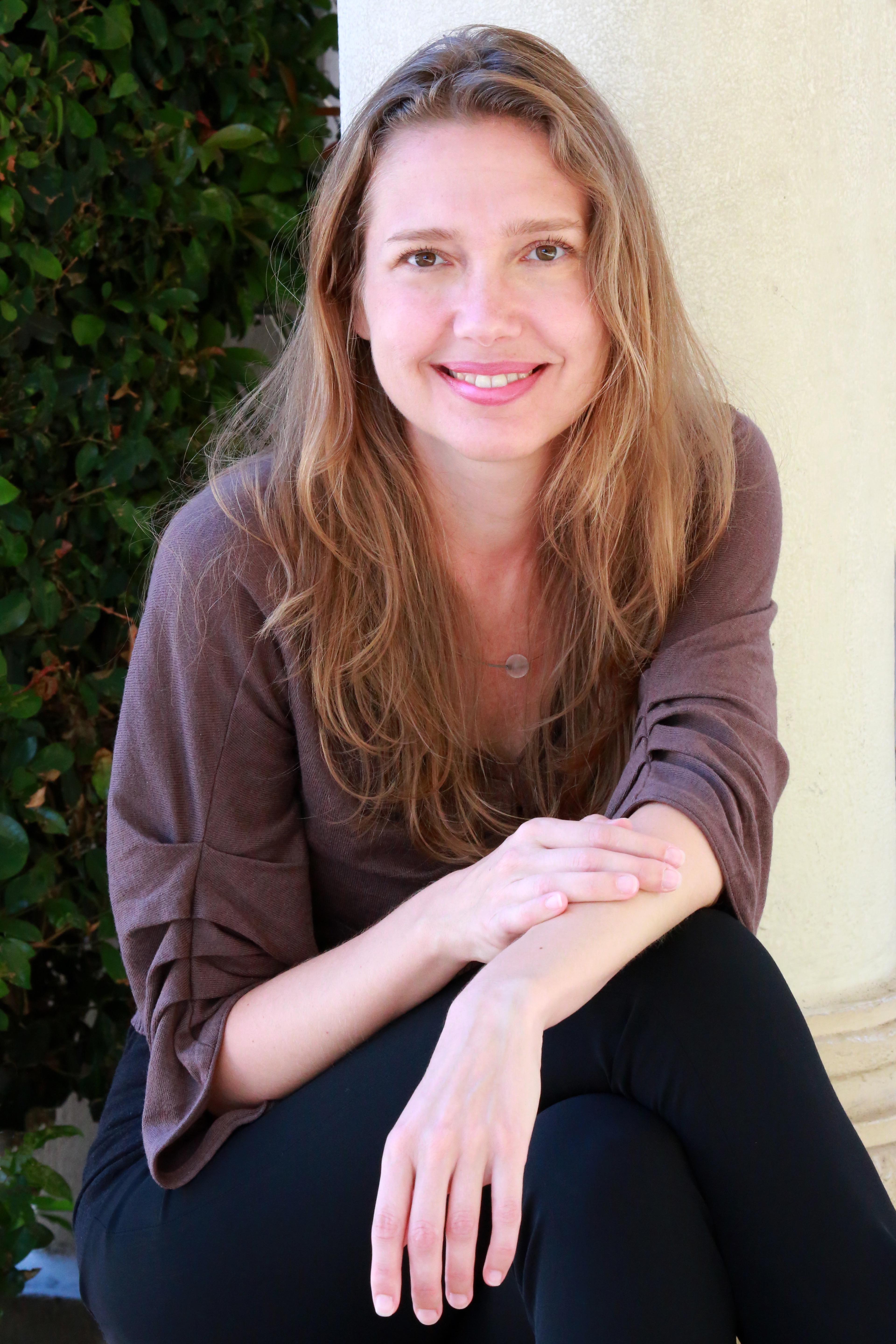
The Sajti Lab studies lung immune cells, with a focus on myeloid populations and their roles in lung development and premature birth–associated lung disease. The lab investigates how immune–epithelial interactions regulate lung maturation, inflammation, and injury in early life. Using mouse models and human lung samples, the team integrates gene expression and gene regulatory approaches, including single-cell RNA-seq, ATAC-seq, and ChIP-seq, to define immune programs that drive neonatal lung disease.
-
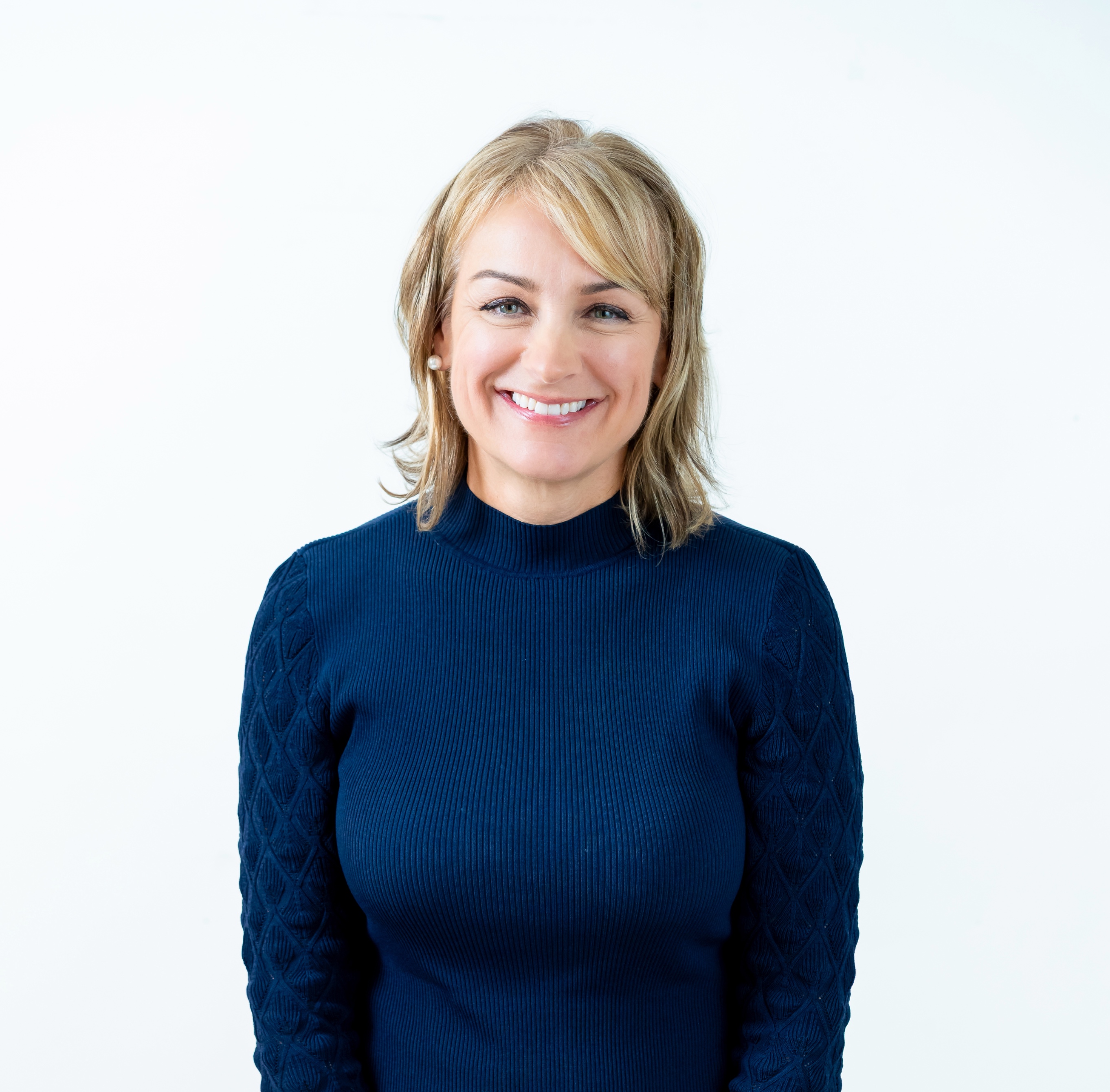
Dr. Simonson studies human responses to low oxygen using integrative approaches to combine genomics, molecular biology, and physiology at a systems level. Her work uncovers the biological and genetic mechanisms of hypoxia resilience and optimization, with implications for human health, disease, and personalized medicine.
-
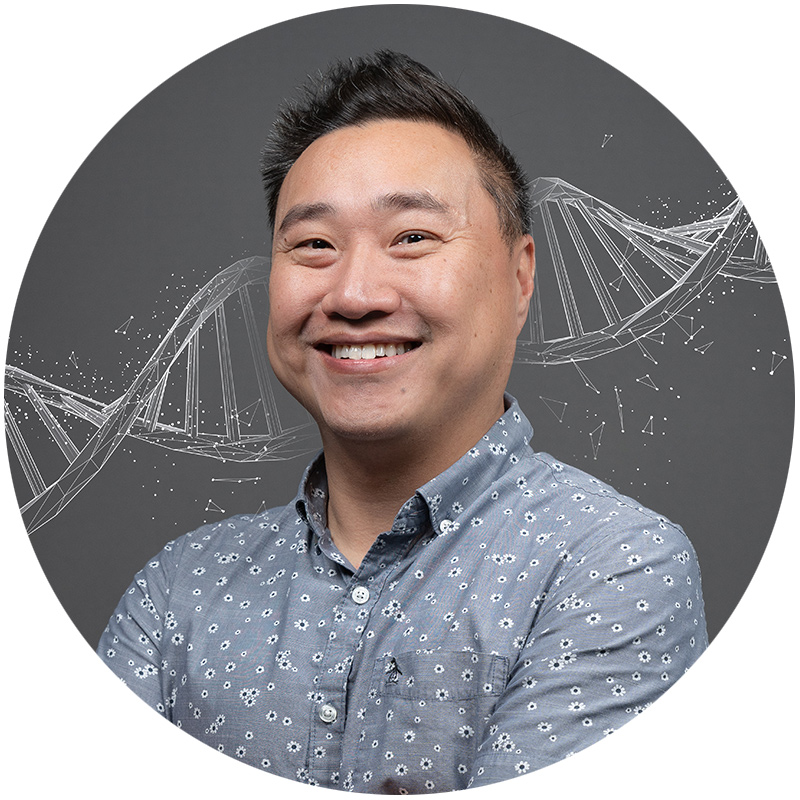
Allen Wang, PhD, focuses on applying cutting-edge epigenomic technologies to the study of human lung disease. His work aims to identify disease-associated cell states, gene regulatory programs, and mechanisms driving lung injury, repair, and progression. Through collaborative, data-driven research, he bridges technology development with translational insights relevant to pulmonary health and disease.